

.jpg)
A high-rise condo in Phoenix, Arizona: The two-unit, 6,586-square-foot, 5-1/3 bath condo that serves as the McCain’s primary Phoenix residence and features a rooftop pool, personal spa services, concierge services, and valet parking was purchased new in 2006 for $4.7 million.
References:
Halbfinger, David. The McCain Properties. New York Times. August 23, 2008
Kleefeld E & Shapiro L. The Official TPM Tally: The McCains Own Eight To Eleven Houses. Talking Points Memo. August 22, 2008
The Residences at 2211 Camelback. 2211 Camelback Amenities – The original website is no longer active: www.2211camelback.com
What: The McCains’ main residence, this 6,500-square-foot, glass-walled condo with three terraces is in a recently built high-rise called 2211 Camelback. Plus a 2,000-square-foot unit on a lower floor.
Amenities: The 90-unit development has a rooftop pool and a concierge who offers “pet services,” makes travel arrangements and books spa treatments. There’s also valet parking and a gym.
Purchase Price and Dates: High-floor apartment, $4.67 million in October 2006; lower-floor unit, $830,000 in August 2007.
Annual Property Taxes: $15,542 for both units.
House Tour: Cindy McCain set what is believed by local brokers to be a record condo price for the area when she agreed in 2004 to buy two adjacent high-floor apartments, which she combined. The building is located in the prestigious Biltmore area near stores such as Saks Fifth Avenue.
Due Diligence: Though the upper-floor unit appreciated after the 2004 purchase agreement, its value has since fallen to about the purchase price, brokers say. The lower-floor condo’s value is about $715,000, down 14%, a typical drop for the hard-hit Phoenix market.
Source: ReListr.com
Recommended Reading
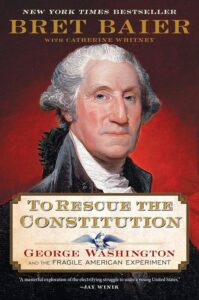
A sweeping narrative ranging from the unsettled early American frontier and the battlefields of the Revolution to the history-making clashes within Philadelphia’s Independence Hall, Bret Baier’s To Rescue the Constitution dramatically illuminates the life of George Washington, the Founder who did more than perhaps any other individual to secure the future of the United States.
George Washington rescued the nation three times: first by leading the Continental Army to victory in the Revolutionary War, second by presiding over the Constitutional Convention that set the blueprint for the United States and ushering the Constitution through a fractious ratification process, and third by leading the nation as its first president. There is no doubt that the struggling new nation needed to be rescued—and that Washington was the only American who could bring them together.
After the victorious War of Independence, when a spirit of unity and patriotism might have been expected, instead the nation fractured. The states were no more than a loosely knit and contentious confederation, with no strong central union. It was an urgent matter that led to the calling of a Constitutional Convention to meet in Philadelphia during the summer of 1787.
Setting aside his plan to retire to Mount Vernon, Washington agreed to be a delegate at Philadelphia. There he was unanimously elected president of the convention. After successfully bringing the Constitution into being, Washington then sacrificed any hope of returning to private life by accepting the unanimous election to be the nation’s first president. Washington was not known for brilliant oratory or prose, but his quiet, steady leadership gave life to the Constitution by showing how it should be enacted.
In this vivid and moving portrait of America’s early struggles, Baier captures the critical moments when Washington’s leadership brought the nation from the brink of collapse. Baier exposes an early America that is grittier and far more divided than is often portrayed—one we can see reflected in today’s conflicts.
Leave a Reply