
Hegseth Tries to Attack His Perceived Enemies. Is it failing?
On March 20, 2026, a federal judge ruled that the Pentagon’s press-access restrictions were unconstitutional and stopped them from being enforced, at least for now while any appeal proceeds.
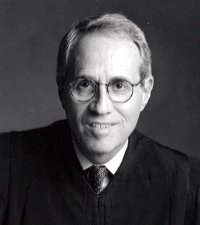
U.S. District Judge Paul L. Friedman ruled that a new Pentagon policy limiting reporters’ access violated the U.S. Constitution.
The lawsuit was filed by The New York Times and one of its reporters after the Defense Department changed its press-credential rules. [APnews.com, David Bauder, December 4, 2026 – The New York Times sues the Pentagon over Defense Secretary Pete Hegseth’s media rules]
The policy had required journalists to sign an agreement restricting how they could seek information from military personnel and allowed the Pentagon to revoke credentials if reporters sought “unauthorized” information, even if it was unclassified.
Many major news outlets refused to sign the agreement and lost access to the Pentagon press corps.
The rules violated First Amendment press protections and Fifth Amendment due-process rights.
The court said the policy was too vague and allowed viewpoint discrimination—meaning the government could potentially exclude journalists whose coverage it disliked.
Press credentials for affected reporters were ordered restored. The Pentagon has said it plans to appeal the ruling.
Recommended Reading
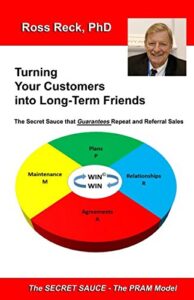
There’s only one way to become an outstanding success as a salesperson. It’s called repeat and referral sales. It doesn’t matter if you’re selling cars, real estate, insurance, pharmaceuticals, financial services or farm equipment. If you don’t focus your efforts on generating repeat and referral sales, you’re going nowhere as a salesperson. Furthermore, there’s only one way in which you can get your customers to provide you with continuing repeat and referral sales and that’s by turning them into long-term friends. Let me give you an example: Joe Girard was a car salesperson for Merolis Chevrolet in Detroit. For 12 straight years Joe was listed in The Guinness Book of World Records for being the world’s best new car salesperson. During his final year of selling cars, Joe sold 1,425 new Chevrolet cars and trucks! That’s 1,425 new Chevrolet cars and trucks sold by a single salesperson during one calendar year! How did Joe do it? The answer is simple. 65% of his sales were to repeat customers and the other 35% were to customers who were referred to him by his repeat customers. So, the year that Joe Girard got into The Guinness Book of World Records for selling 1,425 cars, how many cars did he actually sell? The answer is NONE! His customers sold them for him. Why? Because Joe took the time to turn each of his customers into a long-term friend. As Joe put it, “I stand in front of my product as well as behind it.” In other words, before you could buy a car from Joe, you first had to buy Joe. He wouldn’t let you buy a car from him until he turned you into a friend. Then, after you bought a car from Joe and you experienced a problem either with the car or someone at the dealership, Joe went to bat for you and personally saw to it that the problem was resolved to your satisfaction. Joe also made it a point to stay in touch with his customers after they bought a car from him; he didn’t forget about them and he made sure they they knew it. Yes, Joe truly loved his customers and they loved him back by providing him with enough repeat and referral sales to make it possible for him to sell more than 13,000 cars in 12 years. As Joe said in his book, How to Sell Anything to Anybody, “All of my customers these days are people who ask for me by name. All of them.” You too can enjoy the same level of success as Joe Girard once you stop focusing on making sales and start focusing on turning your customers into long-term friends.
Leave a Reply