
Consultants to the Liberal or Democratic Party now consider the word “Progressive” in a negative light.

Several interesting articles should be reviewed by the Democrats as they plan for the next several years.
“This column has long been skeptical of the wokesters of the progressive left, who seem to specialize in societal regression. To this day no one can name a great civilization they’ve created, while almost everyone can think of people they’ve cancelled. Now Democratic candidates seem increasingly wary of being identified as progressives—and for good reason.” [The Wall Street Journal, James Freeman, November 14, 2022 – Is ‘Progressive’ Now a Bad Word in U.S. Politics? Republicans are likely to capture the House, and Democrats know who to blame. ]
“Two Democratic candidates for the US presidency, Senator Bernie Sanders and Hillary Clinton, are fighting over the term “progressive”. But what does the word really mean? In a CNN town hall, external on 3 February in New Hampshire Mr Sanders and Mrs. Clinton argued over what the word “progressive” means and who has the right to describe themselves in this way. [BBC News, Tara McKelvey, February 5, 2016 – What does it mean to be a progressive in the US?]
Recommended Reading
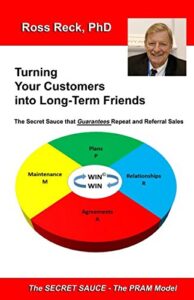
There’s only one way to become an outstanding success as a salesperson. It’s called repeat and referral sales. It doesn’t matter if you’re selling cars, real estate, insurance, pharmaceuticals, financial services or farm equipment. If you don’t focus your efforts on generating repeat and referral sales, you’re going nowhere as a salesperson. Furthermore, there’s only one way in which you can get your customers to provide you with continuing repeat and referral sales and that’s by turning them into long-term friends. Let me give you an example: Joe Girard was a car salesperson for Merolis Chevrolet in Detroit. For 12 straight years Joe was listed in The Guinness Book of World Records for being the world’s best new car salesperson. During his final year of selling cars, Joe sold 1,425 new Chevrolet cars and trucks! That’s 1,425 new Chevrolet cars and trucks sold by a single salesperson during one calendar year! How did Joe do it? The answer is simple. 65% of his sales were to repeat customers and the other 35% were to customers who were referred to him by his repeat customers. So, the year that Joe Girard got into The Guinness Book of World Records for selling 1,425 cars, how many cars did he actually sell? The answer is NONE! His customers sold them for him. Why? Because Joe took the time to turn each of his customers into a long-term friend. As Joe put it, “I stand in front of my product as well as behind it.” In other words, before you could buy a car from Joe, you first had to buy Joe. He wouldn’t let you buy a car from him until he turned you into a friend. Then, after you bought a car from Joe and you experienced a problem either with the car or someone at the dealership, Joe went to bat for you and personally saw to it that the problem was resolved to your satisfaction. Joe also made it a point to stay in touch with his customers after they bought a car from him; he didn’t forget about them and he made sure they they knew it. Yes, Joe truly loved his customers and they loved him back by providing him with enough repeat and referral sales to make it possible for him to sell more than 13,000 cars in 12 years. As Joe said in his book, How to Sell Anything to Anybody, “All of my customers these days are people who ask for me by name. All of them.” You too can enjoy the same level of success as Joe Girard once you stop focusing on making sales and start focusing on turning your customers into long-term friends.
Leave a Reply